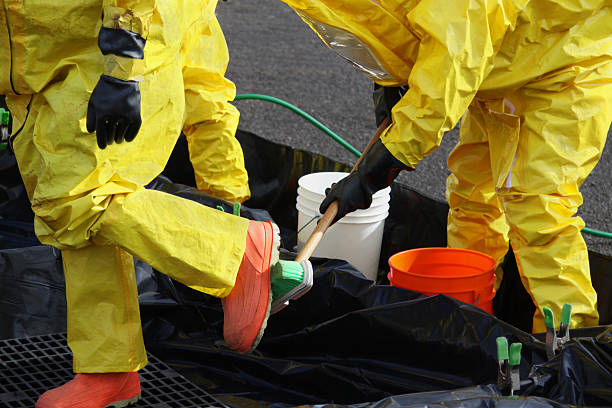
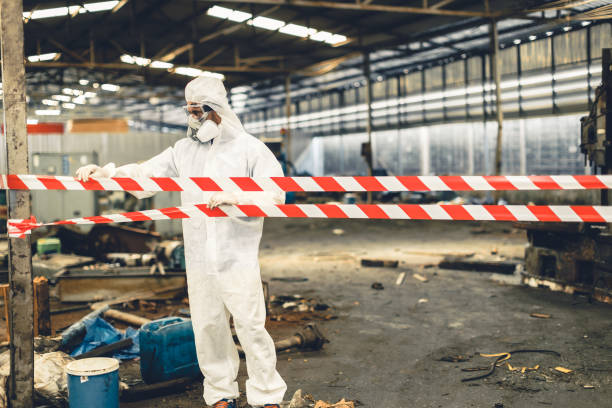
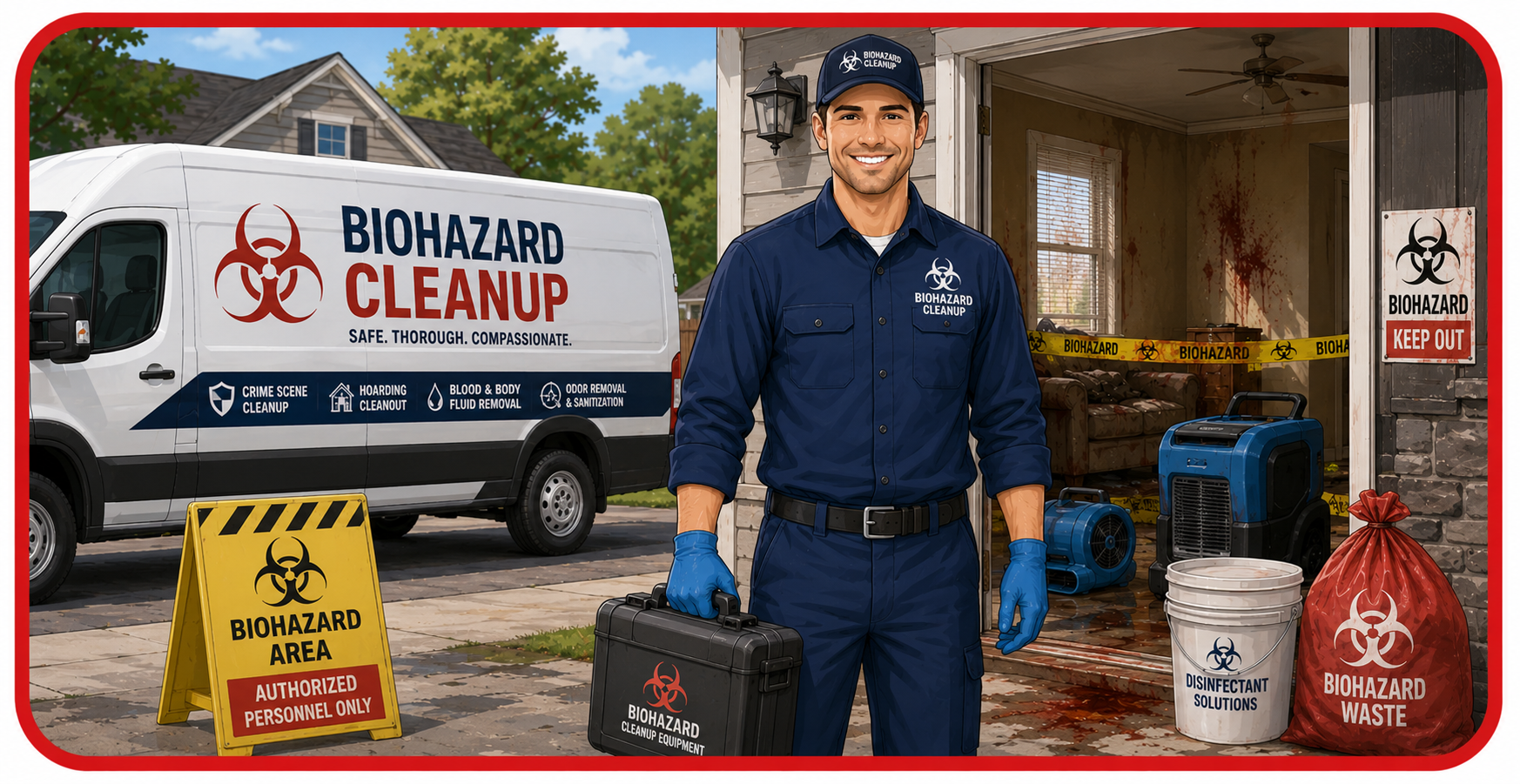
The difference between a standard junk removal job and a biohazard-classified hoarding remediation in Long Island is the presence of animal waste, human waste, vermin infestation, decaying organic material, or mold growth at concentrations that create regulated health hazards. When any of those conditions exist, a licensed biohazard remediation team with full PPE, a hazard classification assessment, and a phased remediation plan is the legal and safe option.
📞 Call +1-844-401-0166 — Hazard Assessment FirstHoarding environments at biohazard level present compounding hazards — waste accumulation, structural risk, vermin-related pathogens, and mold — that require assessment before action. These four pillars govern every Long Island hoarding remediation we take.
Before any material is moved at a Long Island hoarding scene, our team conducts a full hazard classification walkthrough — identifying PPE tier requirements, structural integrity concerns, pest infestation indicators, waste categories present, and zoning for phased remediation. Nothing starts until the hazard profile is documented.
Biohazard-level hoarding cleanup in Long Island is rarely a single-day job. Our phased remediation plan sequences waste removal, biohazard material extraction, pest control coordination, sanitation, and odor neutralization in the correct order — with documented flat-rate pricing for each phase before it begins.
Our coordinators and crew leads are trained to communicate with families in Long Island hoarding situations clearly and compassionately. We understand that the physical remediation is only one dimension of what's happening — and we treat families accordingly.
Rodent infestation at a Long Island hoarding scene creates an additional biohazard layer — hantavirus risk from rodent droppings, rodent-related contamination in wall cavities, and live pest presence that makes unprotected entry dangerous. We coordinate pest control as an integrated part of the remediation sequence.
Every hoarding remediation job in Long Island is different in scale and hazard profile — but the underlying phases are consistent: assess, plan, coordinate, remediate, verify, document.
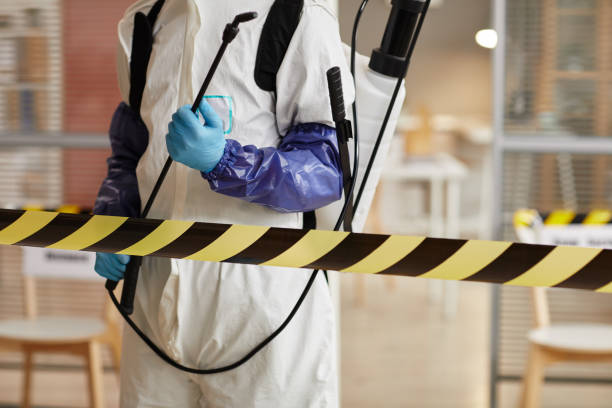
Our Long Island hoarding hazard classification uses the Institute for Challenging Disorganization (ICD) clutter hoarding scale to document scene severity — Levels 1 through 5. Level determines PPE tier, crew configuration, pest control involvement, and structural inspection recommendation. Every assessment is documented with photography and written findings before scope is written.
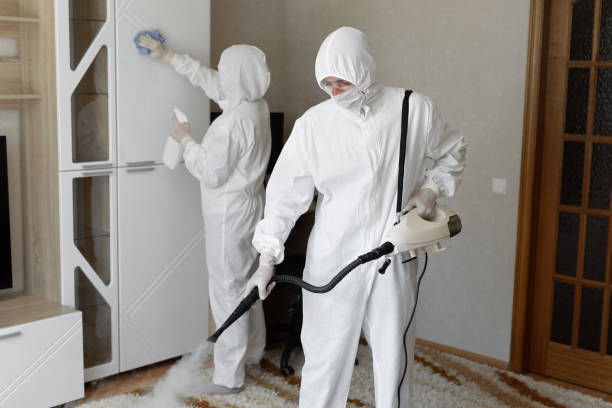
Waste segregation at a Long Island hoarding scene separates biohazardous material from salvageable items from general debris — three distinct streams requiring different handling, documentation, and disposal chains. This segregation phase precedes physical remediation work and prevents cross-contamination of potentially recoverable items.
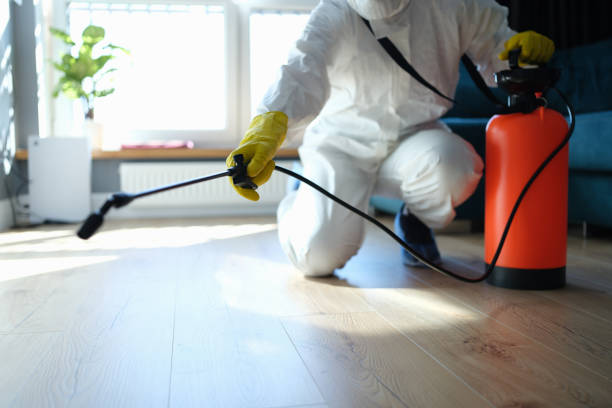
Hantavirus risk from rodent droppings requires wet-treatment of contaminated material before disturbance — dry sweeping or vacuuming spreads aerosolized virus particles. Our Long Island hoarding crews follow the CDC-recommended protocol for rodent waste handling: spray with disinfectant, allow dwell time, then remove carefully in sealed DOT containers.
High-volume hoarding at a Long Island property can cause floor loading stress, moisture damage from accumulated organic material, and pest-related structural compromise. We identify structural integrity concerns during the hazard classification walkthrough and coordinate licensed structural inspection before crew members enter compromised areas.
After biohazard material extraction at a Long Island hoarding scene, systematic sanitation with EPA-registered disinfectants covers all structural surfaces — floors, walls, ceilings, and built-in fixtures. ATP luminescence testing confirms decontamination effectiveness before the job is closed.
Accumulated organic waste in a Long Island hoarding environment produces persistent volatile organic compounds that penetrate HVAC systems and wall cavities. Hydroxyl generators treat these compounds at the molecular level — not masking agents or odor neutralizers that only affect surface perception.
Four phases, documented at every stage, with family or owner review checkpoints between phases. No surprises, no rushed decisions, no material moved before the hazard assessment is complete.
Call +1-844-401-0166 and reach a coordinator trained to handle hoarding intake calls with sensitivity. Scene severity is discussed, crew configuration is determined, and an assessment appointment is scheduled — or an urgent crew is dispatched if the situation requires immediate response in Long Island.
The hazard classification walkthrough at your Long Island property produces an ICD Level determination, a documented hazard profile, and a phased remediation plan. This document is the foundation for the flat-rate estimate — written after assessment, not before it.
Each remediation phase at your Long Island property begins with confirmed flat-rate pricing and ends with a review checkpoint. The family or property owner reviews phase completion before we proceed. No phase is rushed, no scope is expanded without written approval.
Final phase ends with ATP luminescence testing across all sanitized areas, hydroxyl generator odor treatment where indicated, and a complete closeout package: ATP results, waste manifests, phase documentation, and a signed remediation certificate for insurance carriers in ME.
"My mother's home was a Level 4 situation — rodent infestation, animal waste throughout, and conditions no general cleanup company should have been sent into. Crime Scene Cleaner Online's hazard classification walkthrough was the right first step. They found a structural issue under a pile in the kitchen that we would never have seen. The phased approach made the whole process manageable and the family liaison kept us informed throughout."
C. Hoffman — Long Island, ME"As a property manager, I had a unit reach Level 5 after a tenant passed. Crime Scene Cleaner Online's hazard classification team identified hantavirus risk from rodent waste and immediately brought pest control coordination into the plan. The phased remediation was thorough, the documentation satisfied the insurance carrier, and the property was rentable again within two weeks."
D. Patterson — Property Manager, Long Island"Crime Scene Cleaner Online treated my uncle's home with care that extended beyond the physical cleanup. The crew moved carefully through his belongings, salvaged what could be saved, and documented everything. The hydroxyl treatment resolved odor that I assumed was permanently embedded in the walls. The property sold without any disclosure issues."
The Barrera Family — Long Island, MEOur certified hoarding remediation service covers Long Island and every surrounding community in ME. Single-family homes, rental units, apartments, commercial properties — the same phased, assessed, ATP-verified process across all property types in Long Island, ME.
Call +1-844-401-0166 for a confidential, no-judgment intake conversation. Our coordinator will help you understand the process, determine urgency, and schedule a hazard classification walkthrough for your Long Island property.
📞 Call +1-844-401-0166 — Confidential Assessment